
The Impact of AI-Powered Search: Understanding Google’s AI Overviews
AI-powered search has fundamentally changed the SEO landscape. What began as Google’s Search Generative Experience (SGE) in beta testing has now evolved into AI Overviews - a fully deployed feature that represents the biggest revolution in search of the last decade.
Since its official launch in May 2024, AI Overviews has been rolled out globally, affecting how users discover and interact with search results. Early research studies provided valuable insights into how this AI-powered feature would impact organic rankings.
The study conducted by Authoritas in December 2023 involved analyzing 1,000 commercial terms through SGE-enabled Google accounts to assess its impact on organic rankings.
We carefully studied their findings and wanted to share the most important takeaways, as well as some early optimization tips that can be derived from that.
Let’s dive in.
Why is this important?
Before we get into the findings of research, let’s take a moment to elucidate what all the fuss is about. What is Google’s AI Overviews bringing to the table?
AI Overviews introduces a new layout of search results - an AI-generated snippet or carousel, placed at the very top of search results, effectively becoming position 0. Having seen the effect of ChatGPT or AI-powered Bing search, much concern has been sparked among SEO professionals and business owners about the future and purpose of SEO once these developments are implemented in practice.
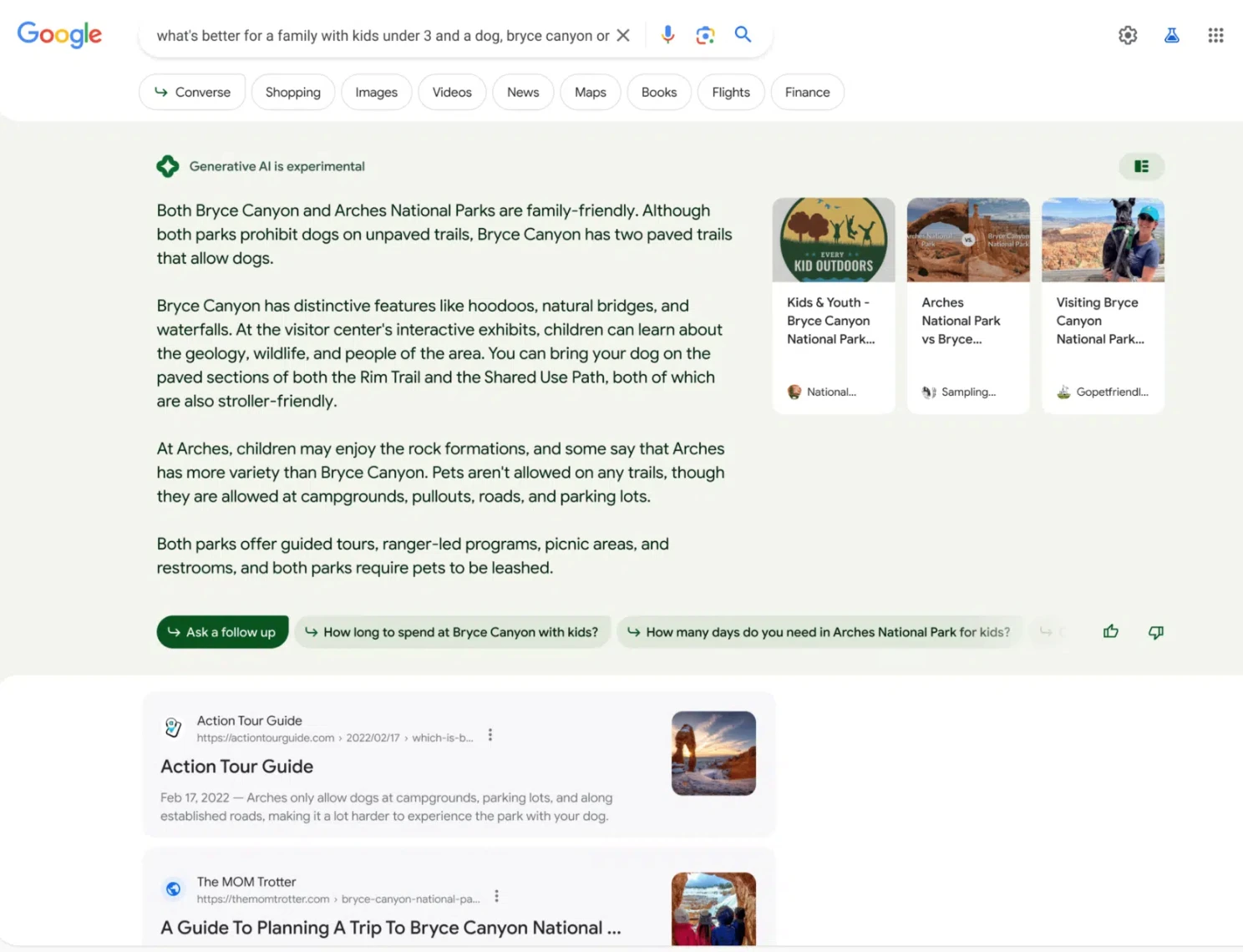
The worry that integration of AI into Google’s search could significantly diminish organic search traffic is very real, as users are already finding that AI is capable of better answering their queries in many instances.
If before, a classic search involved clicking and reading through a bunch of websites from the first results page, it has now turned into a 3-min interaction with AI that directly provides an answer.
However, findings from these initial studies show that AI Overviews might not be as detrimental to organic traffic as initially feared. Let’s explore why.
Key Findings
Some of the more interesting initial findings show how AI Overviews works. These show that:
- 86% of keywords have AI Overview results.
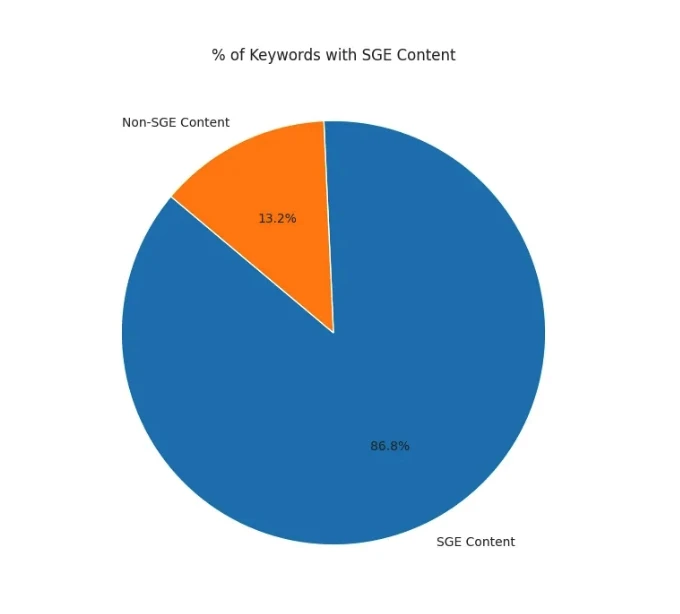
Source: Authoritas
- The average SGE response contains 10 links from 4 unique domains.
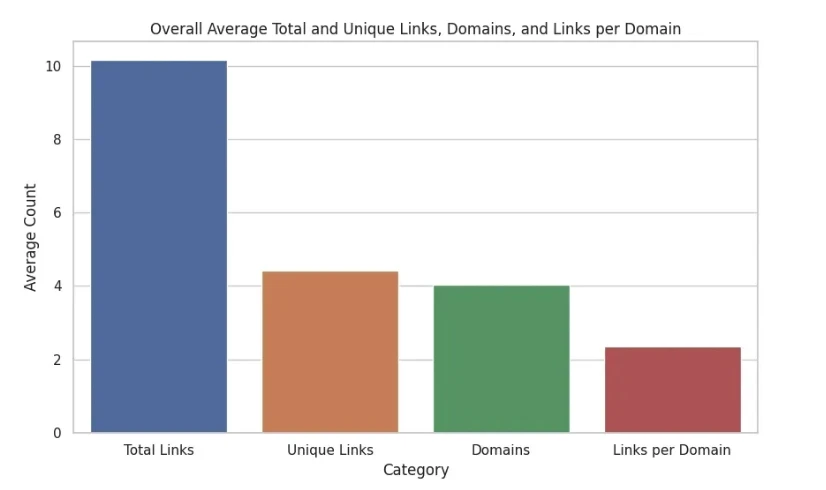
Source: Authoritas
- Some types of queries are more affected than others. Findings from the Authoritas initial study show that 95% of ecommerce queries have an AI Overview response, compared to 54% in YMYL queries, or 16% in queries about finance.
- Some search terms trigger AI Overviews more than others. For example, 88% of queries that contain the term “cost” trigger AI Overviews, as well as 79% of queries that include “Amazon”.
Even more recent research findings by Brightedge paint a similar picture, having found that half of queries in ecommerce, B2B tech, insurance, and education were impacted by AI Overviews.
Key take-away from these findings is that AI Overviews is heavily present in ecommerce, as Google tries to catch buyers from the very get-go of decision-making process and guide them all throughout. Further findings regarding this are:
- When it comes to products and services mentioned in AI Overview answers, reviews are favored and the majority of websites listed as sources link to pages with real user or expert reviews, rather than to product pages.
- AI Overviews likes to generate comparisons between products & create Pros/Cons lists, even if no comparisons have been made.
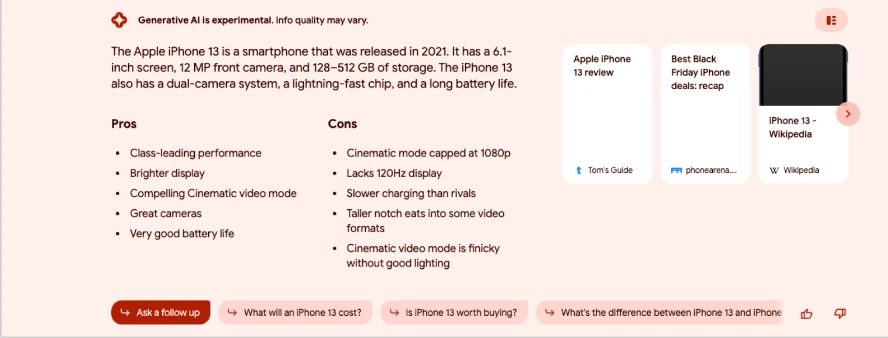
A Pro/Con list generated by AI Overviews
Ranking in AI Overviews
Finally, let’s get to what we think is one of the more exciting findings from the study that pertain to ranking mechanisms in AI Overviews.
When we talk about “ranking” in AI Overviews, we mean “being linked as a source” of the AI-generated snippet. The staggering finding is that AI Overviews seems to select and rank sources very differently than traditional Google Search, featuring links to websites that don’t appear in top organic search results. Check this out:
- 93.8% linked websites come from outside the first page of results.
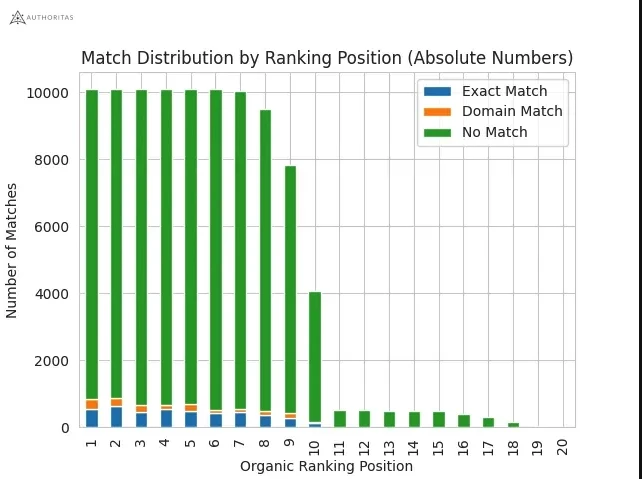
Now that AI Overviews is fully deployed, these findings provide valuable guidance. This suggests that Google’s AI Overviews strives to provide unique or additional content that isn’t found at the top of classic search results, giving more opportunities for listings outside of the first results page to be featured.
If you are wondering about some actionable steps you can start taking and directing your efforts to optimize your website for AI Overviews and increase your chances of being linked in the AI-snippet, below you will find both technical and content-oriented optimization tips.
AI Overviews Optimization Tips
Based on these findings, it is clear that Google’s AI Overviews has significantly altered the search landscape. While the changes may seem daunting, research shows there is a lot of hope for small websites that aren’t currently ranking at the top of first page results.
To stay ahead, there are several steps that businesses can start taking to optimize their websites for AI Overviews. Here we prepared optimization tips to help you get started:
Optimize Content for AI Overviews
- Add summaries to long-form and user-generated content.
- Considering AI Overviews’ preference for reviews, summarize expert or user reviews as a pro/con list with short bullet points.
- When creating content, focus on topics and trends that are recent and timely. Similar to ChatGPT and other LLM models, if the information wasn’t available during the training period, writing about a recent topic will increase the likelihood of your content being mentioned as a source.
- Conduct keyword research specifically for AI Overviews. Focus on long-tail keywords and question-based searches that are likely to trigger AI-generated snippets.
- Pay even closer attention to adhering to EEAT - showcase your expertise, build authoritative links and maintain off-page reputation.
Technical Optimization Tips for AI Overviews
- Since AI Overviews uses multimedia to enhance its responses, make sure to optimize image alt tags and video titles for accessibility and SEO.
- Use schema markup to provide structured data that can be used by AI Overviews to understand the context and relevance of your content.
- Keep page load time below 500ms.
- Make sure your website doesn’t have indexing or crawling problems.
- Index comments and reviews.
- Keep scripting time as low as possible.
- Make sure your content isn’t JS-dependent.
What Now?
Google’s AI Overviews is now fully deployed and continues to evolve. In 2025, businesses and SEO specialists should fully embrace AI search optimization alongside traditional SEO strategies. The key is to combine proven SEO strategies with AI Overviews optimization tactics specific to your business niche. This approach ensures you’re well-positioned to capture visibility in both traditional search results and AI-generated summaries. Stay informed, remain flexible, and embrace the evolving world of AI search experiences.